Understanding when to replace a roof plays a central role in protecting a home's structure, maintaining indoor comfort, and avoiding escalating repair costs. Many homeowners delay this decision because the signs are not always obvious at first glance, but waiting too long can lead to damage that extends far beyond the roof itself. Water intrusion, weakened structural components, and rising energy bills often stem from a roof that has passed its functional lifespan. Taking a proactive approach allows homeowners to manage costs more effectively while maintaining the overall condition of their property.
Deciding to move forward with a replacement involves more than spotting a few damaged shingles. It requires evaluating visible warning signs, understanding the age and history of the roof, and weighing the financial impact of continued repairs versus a full upgrade. Working with experienced roofing contractors can help clarify these factors and provide a clearer timeline for action. By recognizing when repairs are no longer enough, homeowners can shift toward a solution that offers long-term protection, improved efficiency, and greater peace of mind.
Identifying Shingle Damage Early
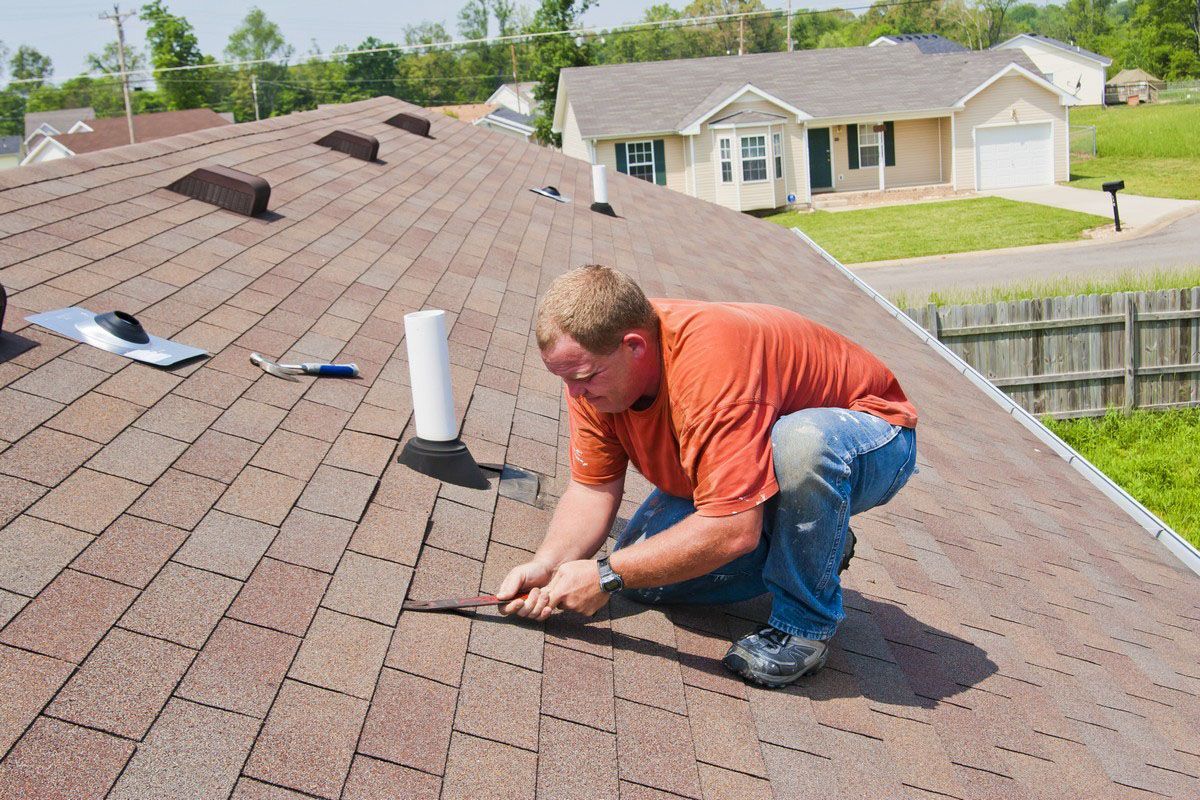
Shingles often provide the first indication that a roof is nearing the end of its useful life. Curling edges, cracked surfaces, and missing sections expose the underlying structure to the elements, increasing the likelihood of leaks and interior damage. Even small areas of deterioration can spread quickly, especially after storms or prolonged exposure to sunlight. Regular visual inspections from the ground or through professional assessments allow homeowners to catch these issues before they escalate into larger problems.
Weather events can accelerate shingle damage in ways that are not immediately obvious. Strong winds may loosen shingles without completely removing them, while heavy rain can exploit minor weaknesses and create pathways for moisture. Over time, these small vulnerabilities compound, weakening the roof's overall performance. Roofing contractors often recommend inspections after major weather events to identify subtle damage that may not be visible during routine checks.
Another important indicator is the presence of granules in gutters or downspouts. These granules protect shingles from ultraviolet rays and physical wear, and their loss signals that the material is breaking down. According to Today's Homeowner, roofs older than 20 years often require repeated repairs, making replacement the more practical choice. This highlights how ongoing minor issues can reflect a larger pattern of decline, prompting homeowners to consider a full replacement instead of continued patchwork fixes.
Monitoring Granule Loss and Surface Wear
Granule loss is a gradual process, but excessive accumulation in drainage systems can point to advanced wear. As shingles lose their protective coating, they become more vulnerable to heat, moisture, and physical damage. This accelerates the aging process and reduces the roof's ability to perform effectively during extreme weather conditions. Homeowners who monitor these changes over time gain valuable insight into when replacement becomes the more logical step.
Surface wear also affects how well a roof regulates indoor temperatures. Without adequate granule coverage, shingles absorb more heat, which can transfer into the home and increase cooling costs. This reduced efficiency often goes unnoticed until energy bills begin to rise. Addressing the issue through replacement not only restores protection but also improves overall energy performance.
Consistent documentation of wear patterns can help homeowners make informed decisions. Tracking when and where granule loss occurs allows for better planning and budgeting. When multiple areas show similar signs of deterioration, it often indicates that the roof as a whole is approaching the end of its lifespan rather than experiencing isolated issues.
Detecting Leaks and Interior Warning Signs
Leaks are among the most urgent indicators that a roof requires attention. Water stains on ceilings or walls often signal that moisture has already penetrated multiple layers of the roofing system. These signs should never be ignored, as even minor leaks can lead to mold growth, insulation damage, and structural weakening over time. Early detection limits the scope of repairs and reduces the risk of widespread damage.
In some cases, leaks are not immediately visible but reveal themselves through musty odors or increased humidity indoors. These subtle signs often indicate hidden moisture buildup, which can compromise air quality and create long-term health concerns. Regular attic inspections can help identify these issues before they become severe.
Flashing failures are another common source of leaks. Areas around chimneys, vents, and skylights rely on properly installed flashing to prevent water intrusion. Over time, expansion and contraction from temperature changes can loosen these materials, creating gaps. Addressing these vulnerabilities quickly is essential, but when multiple leak sources develop, replacement often becomes the more practical solution.
Understanding Risks Associated with Aging Roofs
As roofs age, they become more susceptible to damage and less effective at protecting the home. Materials may become brittle, lose flexibility, or develop small cracks that allow moisture to seep through. These issues often require more frequent repairs, which can add up quickly over time. Recognizing when maintenance costs begin to outweigh the benefits is key to making a timely replacement decision.
Older roofs also tend to lack the efficiency of newer systems. Advances in materials and design have improved insulation and ventilation, allowing modern roofs to better regulate indoor temperatures. Replacing an aging roof can lead to noticeable reductions in heating and cooling costs, providing ongoing financial benefits.
Reviewing Repair History and Ongoing Issues
A roof that requires frequent repairs often signals deeper structural problems. While occasional maintenance is normal, repeated fixes in the same areas suggest that underlying issues have not been fully resolved. Over time, these recurring problems can compromise the entire roofing system, making replacement a more efficient solution.
Tracking repair history helps identify patterns that might otherwise go unnoticed. For example, repeated leaks in different sections of the roof may indicate widespread deterioration rather than isolated damage. Recognizing these trends allows homeowners to move beyond temporary solutions and consider long-term improvements.
Roof replacement can significantly enhance a home's market appeal. A new roof improves curb appeal and signals to potential buyers that the property has been well-maintained. This can lead to higher offers and a quicker sale if the homeowner decides to move.
Energy efficiency improvements also contribute to long-term savings. Modern roofing systems are designed to reflect heat, improve insulation, and reduce energy consumption. These features appeal to buyers and provide ongoing cost benefits for current homeowners.
Deciding when to replace a roof involves balancing visible signs of wear, the age of the materials, and the financial implications of continued repairs. By paying close attention to indicators such as shingle damage, leaks, and repeated maintenance issues, homeowners can make informed decisions that protect their property and avoid unnecessary expenses. Understanding how aging roofs impact efficiency and structural integrity further reinforces the importance of timely action. A well-timed replacement not only resolves existing problems but also sets the stage for improved performance and long-term savings.
Taking the next step requires careful planning and professional guidance. Consulting with
roofing contractors can provide clarity on the condition of your roof and the best path forward based on your specific situation. If your roof is showing signs of decline or approaching the end of its lifespan, now is the time to explore your options and take action. A proactive approach today can prevent larger challenges tomorrow while adding value, comfort, and security to your home. Reach out to Exceptional Exteriors & Renovations, Inc today to assess your roof.