October 23, 2026
Siding is one of the most visible parts of a home's exterior. Its color, texture, and profile influence the property's overall appearance, while the condition of the material affects how well the exterior stands up to everyday weather. Cracked panels, fading, warping, and mismatched repairs can make a home look worn, even when other features remain in good condition. Updating siding gives homeowners an opportunity to refresh the house while reviewing its exterior performance.
A professional siding contractor helps homeowners compare materials and styles that suit the home's architecture, personal preferences, and maintenance priorities. Vinyl, fiber cement, wood, aluminum, and insulated siding each have different characteristics. Choosing among them involves more than color alone. Durability, upkeep, installation requirements, and cost are also important considerations.
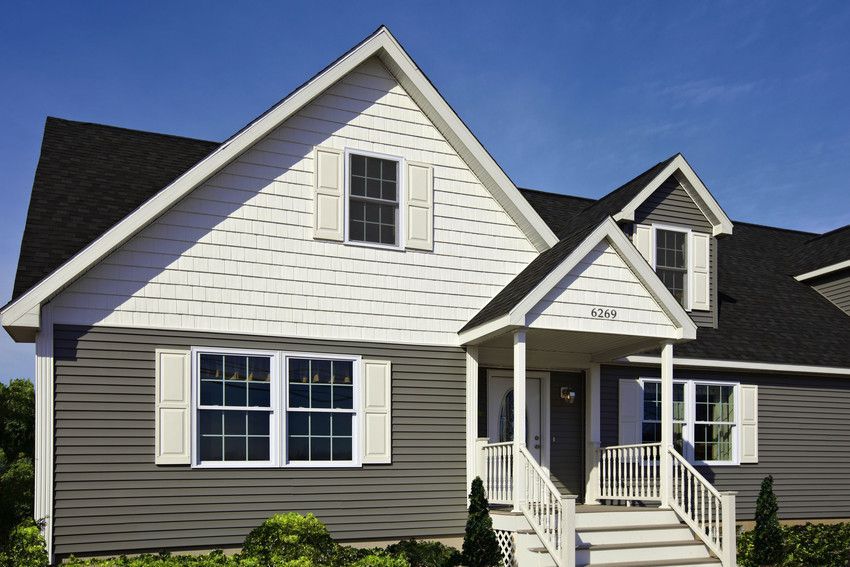
A coordinated exterior can make a home feel more balanced. Siding colors can complement roofing, trim, windows, entry doors, and other visible features. The goal is not simply to follow a trend, but to select a finish that fits the property's design and the homeowner's long-term plans.
Evaluating Existing Siding and Exterior Conditions
Before recommending new siding, a professional should review the condition of the existing exterior. Visible concerns include loose or cracked panels, fading, warping, damaged trim, and areas where moisture has affected the material. The assessment also considers transitions around windows, doors, corners, and other openings because these details influence how siding connects with the rest of the exterior.
A siding contractor evaluation is especially relevant in Pittsburgh and Southwestern Pennsylvania, where homes experience seasonal temperature changes, rain, wind, and winter weather. Different materials respond differently to these conditions, and installation details matter alongside product selection. A careful review helps identify the work involved and provides a basis for discussing suitable options.
The condition beneath the siding is also important. When old material is removed during a replacement project, the installation team can assess exposed areas and determine whether additional preparation or repairs are needed. The extent of any required work depends on the inspection findings. Clear communication about the scope helps homeowners understand which tasks are included and how unexpected conditions will be addressed.
Comparing Siding Materials and Design Options
Selecting siding means balancing appearance, maintenance, performance, and budget. Vinyl siding is known for its range of colors and relatively low maintenance needs. Fiber cement offers a versatile appearance and resistance to common exterior concerns, while wood siding provides a traditional natural look that requires appropriate upkeep. Aluminum is lightweight and resistant to corrosion, and insulated siding adds an insulation component to the exterior assembly.
An experienced siding contractor can explain these differences in the context of a specific home. The best fit depends on the existing structure, desired appearance, product specifications, maintenance preferences, and project budget. Comparing options with these factors in mind helps homeowners make a decision based on practical needs as well as style.
Color and profile selection also influence the finished look. Horizontal or vertical lines, surface texture, and trim details can emphasize different architectural features. Homeowners can consider whether they want to preserve a traditional appearance or give the exterior a more contemporary feel. Reviewing samples and discussing combinations with a professional helps clarify how materials and colors work together.
Manufacturer guidance is another important part of the selection process. Products have specific requirements for handling, fastening, clearances, and installation. Choosing a material that fits the home's needs and ensuring it is installed according to the manufacturer's instructions supports the intended performance of the siding system.
Improving Weather Protection and Exterior Performance
Siding serves as part of a home's exterior protection system. It helps shield the underlying structure from wind and precipitation, while properly coordinated flashing, trim, and weather-resistant barriers help manage moisture around openings and transitions. Damaged panels or poorly detailed connections can leave vulnerable areas exposed, so the condition and installation of the complete assembly matter.
According to Today's Homeowner, new siding has been associated with an estimated 8% reduction in heating bills and an improvement in airtightness of nearly 10%. These figures describe reported potential benefits rather than guaranteed outcomes for every home. Actual energy performance depends on factors such as existing insulation, air leakage, windows, heating equipment, climate, and installation quality. Siding selection and installation should therefore be considered part of the home's broader exterior envelope.
A professional installation team pays attention to alignment, fastening, clearances, and sealing details specified for the selected product. These elements help the siding function as intended and reduce the risk of avoidable installation problems. Homeowners should also understand that siding does not replace the need for a sound roof, properly functioning gutters, or adequate drainage around the foundation. Exterior components work together to manage water and protect the structure.
Coordinating Professional Installation and Project Planning
A siding project typically begins with an inspection and conversation about the homeowner's priorities. The contractor reviews the existing exterior, discusses material choices, and prepares an estimate outlining the proposed work. Reviewing the scope, schedule, and pricing before work begins helps everyone understand the project's expectations.
Once the details are approved, preparation includes protecting nearby landscaping and surrounding areas, arranging material delivery, and preparing surfaces for installation. The team removes or addresses existing materials as required by the project, checks the underlying area, and follows the installation requirements for the chosen siding. Careful coordination helps maintain an orderly worksite and supports a consistent process from preparation through finishing details.
Working with a qualified siding contractor also gives homeowners a point of contact for questions about materials, scheduling, and the work being completed. A locally owned Pittsburgh-area exterior company that has served the region since 2008 emphasizes straightforward communication, transparent pricing, and professional installation. Free same-day estimates also give homeowners an opportunity to discuss project needs and understand the proposed scope before making a decision.
The project concludes with attention to finishing details, including panel alignment, trim, corners, and transitions around windows and doors. A final review gives homeowners an opportunity to ask questions and understand the care recommended for the selected siding. Installation quality and product-specific guidance both matter when evaluating the completed work.
Maintaining Siding Through Seasonal Changes
After installation, appropriate care helps homeowners keep the exterior in good condition. Maintenance requirements vary by material, so the product's care guidance should inform cleaning and inspection routines. Periodic visual checks can identify loose panels, cracks, damaged trim, or changes around windows and doors that deserve professional attention.
Seasonal weather in Southwestern Pennsylvania makes exterior awareness particularly useful. Winter freeze-thaw cycles, wind-driven rain, and summer storms can place stress on different parts of a home. Following severe weather, a professional evaluation helps determine whether visible damage requires repair. Addressing concerns promptly helps homeowners understand the condition of the exterior and plan appropriate work.
Siding should also be considered alongside gutters, roofing, windows, and drainage. Overflowing gutters or water directed toward the foundation can affect exterior components even when siding itself is in good condition. Keeping these systems in view supports a more complete approach to home maintenance.
Improving a home's exterior involves more than selecting a new color. The right siding project considers the home's architecture, local weather, maintenance expectations, product performance, and the condition of the existing structure. Professional guidance helps homeowners compare options, understand installation requirements, and set realistic expectations for the work.
A well-planned project also accounts for the details that connect siding with trim, windows, doors, and other exterior features. When these components are considered together, the finished appearance feels more cohesive, and the exterior system is easier to assess as a whole. Material-specific installation and care instructions remain important to the performance of the completed work.
Homeowners in Pittsburgh and surrounding communities can consult an experienced siding contractor to discuss materials, installation requirements, and options suited to their property. Contact Exceptional Exteriors & Renovations, Inc to request a free same-day estimate and explore siding solutions for your home's exterior.