May 4, 2026
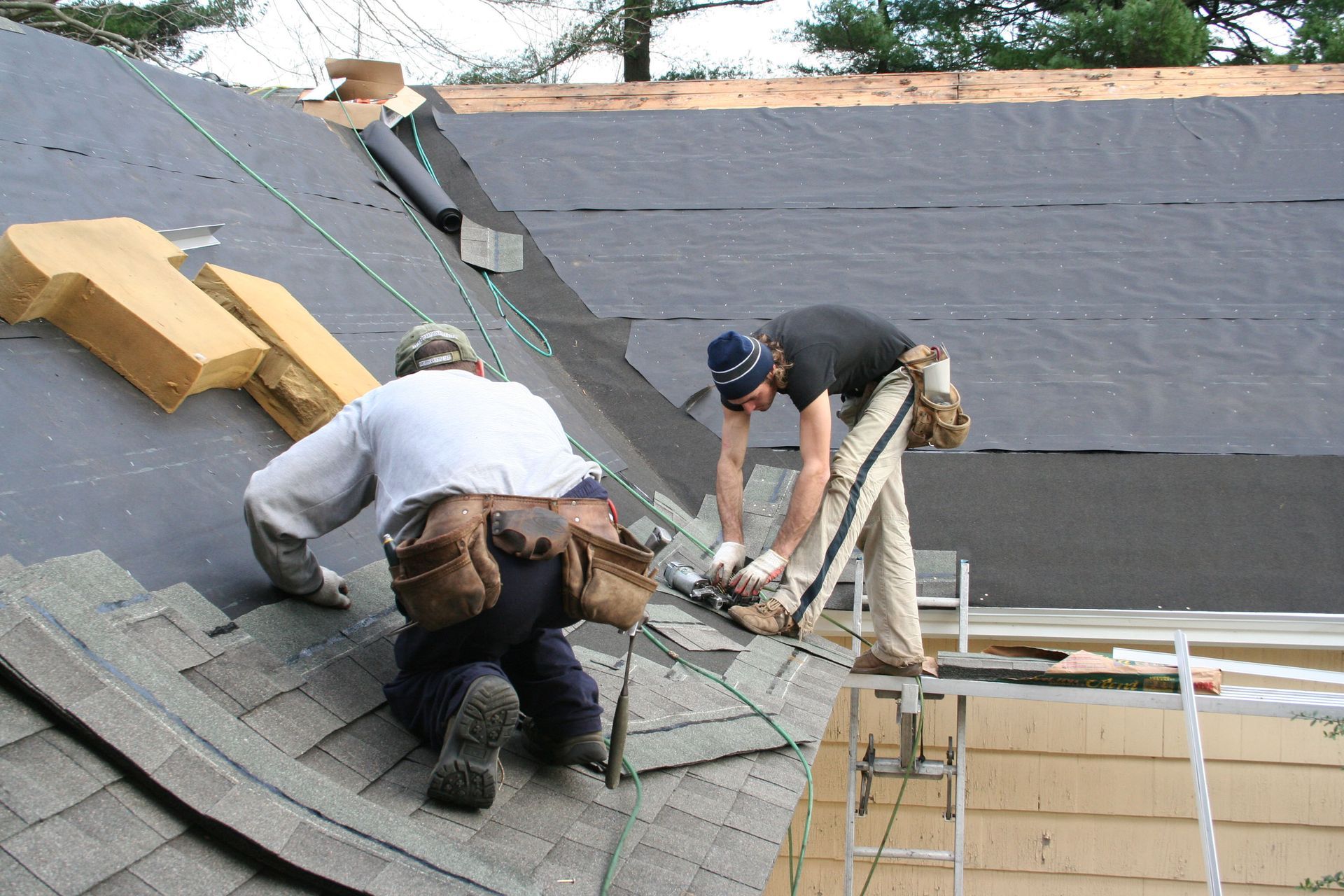
When your home's top protective layer starts showing signs of wear and tear, homeowners face a significant decision. You must determine whether a simple patch job will suffice or if a complete overhaul is necessary to protect the property. A well-maintained home defends against harsh weather, regulates indoor temperatures, and enhances overall curb appeal. However, as materials age and weather events take their toll, even the most durable systems begin to fail. Recognizing the difference between minor, isolated issues and systemic failure is crucial. Many property owners hesitate to commit to a full project, opting instead for temporary fixes that might stop a leak but fail to address the underlying vulnerability. Professional guidance is often required to navigate this dilemma. Experienced roof installers can provide valuable insight into the true condition of your property and help you weigh your options.
Evaluating the Extent of the Surface Damage
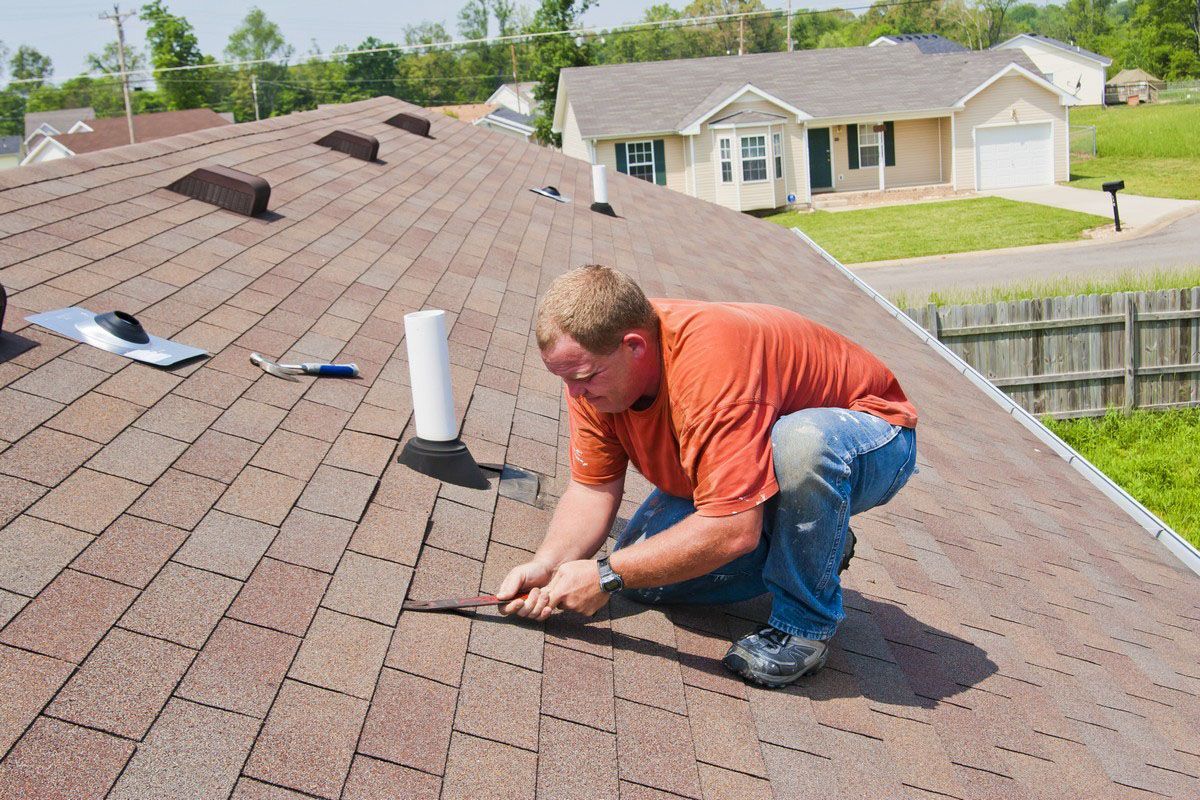
The initial step in determining the right course of action is to carefully inspect the exterior surface for visible signs of deterioration. Isolated missing shingles blown away by a storm might simply require a minor fix. However, when you notice widespread issues across the entire surface, the situation becomes much more serious. Curling, cracking, or blistering materials indicate that the protective elements are reaching the end of their usable lifespan. Furthermore, a massive loss of granules from asphalt shingles leaves the underlying material exposed, accelerating the decay process. When the damage is no longer confined to a small, easily accessible area, patching becomes a less effective strategy. A sprawling area of compromised material means that the entire system is vulnerable, and a comprehensive approach is necessary. Bringing in skilled roof installers to assess the spread of the damage ensures that you have a clear picture. They identify subtle signs of wear that an untrained eye might miss, helping you understand if the surface has degraded past simple maintenance.
Assessing the Age of the Current Materials
The lifespan of the materials currently protecting your home is a major factor in deciding between patching and replacing. Every architectural component has an expected duration of effectiveness, after which it begins to fail rapidly. If your home's exterior layer is relatively new and has sustained localized damage from a fallen branch, a repair is highly logical. However, as the materials advance in age, they lose their flexibility and their ability to shed water efficiently. According to Today’s Homeowner, structures older than 20 years frequently demand constant maintenance, making a full replacement a much more sensible decision. Attempting to integrate new materials with old, brittle ones can be incredibly challenging and often leads to a weak seal. When the materials have aged out of their functionality, continuous patching merely delays the inevitable. Relying on professional roof installers to evaluate the aging process can clarify whether your current setup still has life left or if it is time to start fresh.
Monitoring the Frequency of Ongoing Maintenance
A clear indicator that a complete overhaul is necessary is the frequency with which you find yourself calling for maintenance. A healthy, functioning system should require very little intervention outside of routine inspections and minor upkeep. If you find that every severe weather event results in a new leak or a fresh batch of missing shingles, your system is failing. Constant maintenance is incredibly disruptive to your daily life and indicates a fundamental weakness in the barrier protecting your home. These continuous interventions suggest that the underlying structure is compromised and that the materials can no longer withstand normal environmental stress. When fixing a specific area simply leads to a failure in a different area shortly after, the patchwork approach is clearly not working. Partnering with reliable roof installers can help break this stressful cycle.
Checking the Interior for Unwanted Moisture
Sometimes, the most alarming signs of a failing exterior barrier are found inside the home. Water is incredibly insidious and can travel far from the original point of entry before making itself known. If you discover unexplained water stains on your ceilings or walls, it is a significant red flag. While an isolated, clearly defined stain directly beneath an easily identifiable puncture might be solved with a patch, multiple stains or widespread dampness indicate a systemic failure. Furthermore, the presence of mold or mildew in your attic space suggests chronic moisture infiltration that has likely been occurring for an extended period. This trapped moisture can rot wood, damage insulation, and severely impact the air quality inside your living space. Identifying the source of these widespread leaks often reveals that the protective layers are completely degraded. Consulting with experienced roof installers is essential when moisture breaches the interior, as they can accurately diagnose the extent of the infiltration and recommend a complete replacement.
Examining the Condition of the Underlying Structure
The visible exterior materials are merely a component of the complex system protecting your home. The underlying decking and structural supports are just as crucial for maintaining a safe and secure residence. When water bypasses the outer layers, it begins to degrade the wood decking beneath. If you notice a sagging appearance from the outside or feel soft, spongy areas when walking on the surface, the underlying structure has likely been compromised by rot. A sagging profile is an immediate warning sign that the structural integrity of the home is at risk. You cannot simply place new shingles over rotted wood; the entire damaged section must be removed and rebuilt. In cases where the decking is extensively damaged, a full replacement is the only viable path forward. Professional roof installers will always inspect the decking during their evaluation to ensure it can support the weight and function of the materials, advising a complete replacement to guarantee structural soundness.
Understanding the Importance of Professional Guidance
Navigating the complexities of property maintenance requires an objective, expert perspective. Homeowners often lack the trained eye necessary to spot subtle signs of widespread degradation or structural weakness. An amateur inspection might miss crucial details, leading to an incorrect diagnosis and an inadequate solution. Professionals understand how different components interact and how a failure in a particular area impacts the entire system. They have the knowledge to differentiate between superficial blemishes and deep-rooted decay. By conducting a thorough, comprehensive assessment, experts can provide a detailed analysis of the property's condition, highlighting vulnerabilities that might otherwise go unnoticed. Rather than relying on guesswork or temporary measures, property owners should always seek a professional evaluation. Dependable roof installers will provide an honest assessment, clearly explaining whether a localized patch will genuinely solve the problem or if a complete installation is the only way to ensure long-term protection.
While patching a problem might seem like a quick fix, it is often a temporary measure that fails to address widespread deterioration, aging materials, or structural weakness. By paying close attention to the extent of surface damage, monitoring the frequency of maintenance, and watching for interior moisture, you can make an informed decision about the future of your property. Ignoring the warning signs of a deteriorating barrier will only lead to more extensive damage and stress down the road. Addressing these issues proactively with a comprehensive solution ensures that your property remains secure. If you are ready for a durable, long-lasting exterior upgrade, contact us at Exceptional Exteriors & Renovations, Inc today. We will help you secure your home against the elements and restore your absolute peace of mind.