October 29, 2026
A roof does more than protect a home from the elements. Its shape, materials, color, and architectural details contribute to the property's overall appearance. The right combination can complement siding, highlight architectural features, and create a cohesive exterior. Understanding these design elements helps homeowners make informed decisions when planning a roofing project. Experienced roof installers can help ensure the selected design suits the home's structure and architectural style.
How Roof Shapes Define Exterior Appearance
Traditional Roof Shapes for Timeless Appeal
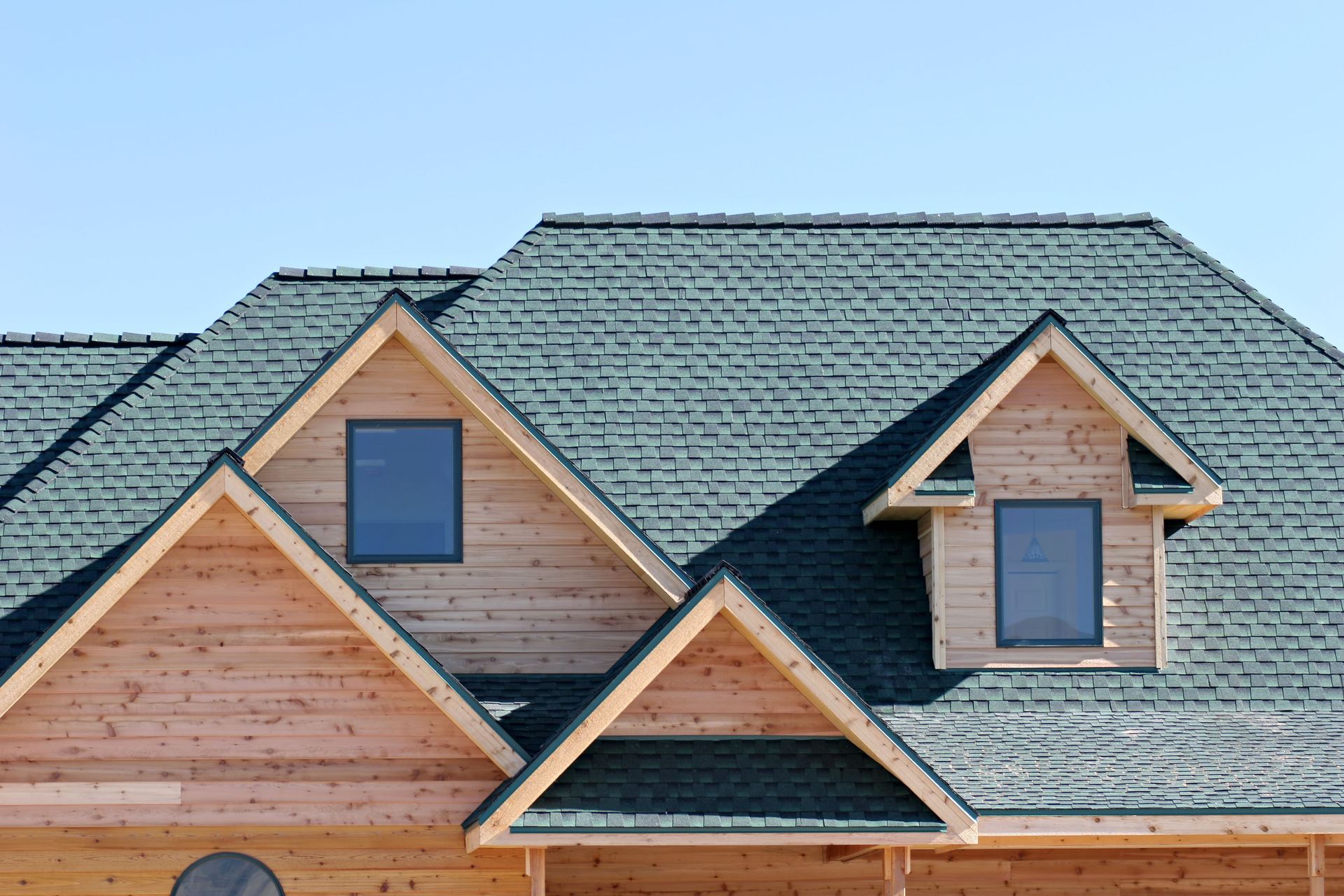
Gable and hip roofs remain popular because they complement many residential styles. Gable roofs feature two sloping sides that meet at a central ridge, creating a triangular profile that suits colonial, farmhouse, and traditional homes. Hip roofs slope on all four sides, giving properties a balanced appearance.
Both designs offer practical benefits alongside their visual appeal. Their slopes help direct rainwater toward gutters, while their proportions can emphasize a home's symmetry. Roof installers can evaluate the building's structure, existing exterior features, and local weather conditions when helping homeowners choose a design.
Contemporary Roof Lines for Modern Homes
Modern homes often feature low-pitched roofs, broad overhangs, and clean geometric lines. These designs complement minimalist architecture, where simple shapes and carefully selected materials create visual interest. Flat or nearly flat rooflines can emphasize horizontal features and give a home a streamlined appearance.
However, modern designs require careful planning to balance appearance with drainage and weather protection. Material compatibility and structural requirements must also be considered. Consulting experienced roof installers can help homeowners understand how modern rooflines affect both aesthetics and practical performance.
How Roofing Materials Shape Your Home's Character
Wood Shingles and Shakes for Natural Texture
Wood shingles and shakes provide a warm, textured appearance that suits Craftsman, cottage, and rustic-style homes. Cedar is a familiar option because of its natural grain and distinctive color variations. As wood weathers, its appearance changes, creating character that some homeowners appreciate.
These materials require attention to maintenance and environmental conditions. Moisture exposure and ventilation can influence their suitability, so homeowners should weigh their appearance against upkeep requirements.
Metal Roofing for a Sleek Finish
Metal roofing offers a clean appearance that works with contemporary homes and some traditional designs. Standing-seam panels create strong lines, while different profiles and finishes allow homeowners to coordinate roofing with siding and trim.
Metal roofing is also valued for its durability and resistance to many weather conditions when properly selected and installed. Panel profiles, finishes, and roof shapes all influence the finished appearance.
Tile Roofing for Distinctive Architectural Style
Clay and concrete tiles are associated with Mediterranean, Spanish, and Southwestern architecture. Their curved profiles and rich colors add depth to the roofline, complementing stucco, stone, and warm exterior finishes.
Tile roofing is durable, but its weight makes structural suitability especially important. The roof must support the selected material, and installation must meet applicable requirements to deliver the intended appearance and performance.
How Roof Colors Complement Exterior Finishes
Coordinating Roof Colors With Siding and Trim
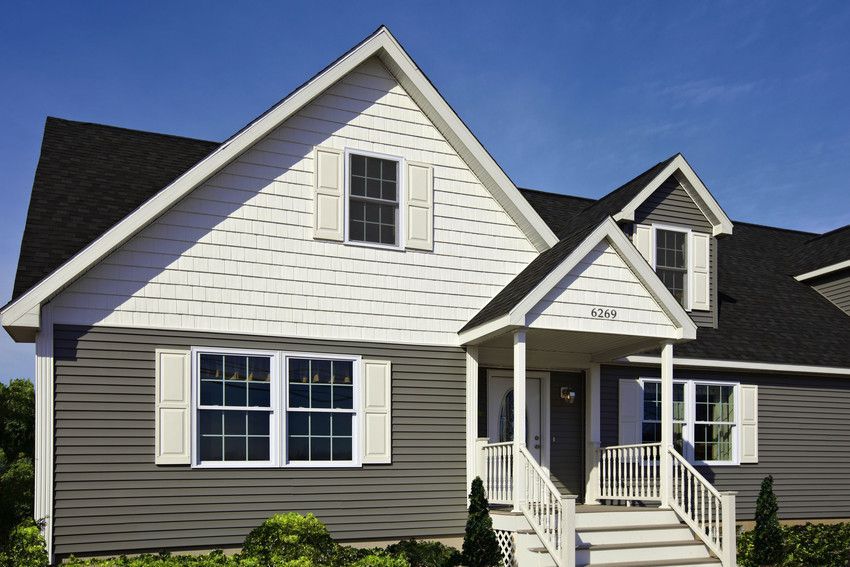
A roof color can blend with a home's exterior or create deliberate contrast. Gray and charcoal roofing often pairs well with white or blue siding, while brown tones can complement brick, beige finishes, and natural stone. The best combination depends on the home's architectural style and existing colors.
Homeowners should evaluate samples in natural daylight because colors can look different depending on conditions. Considering fixed features such as brickwork and stone accents also helps create a coordinated appearance. Roof installers can explain how different materials and finishes will look across the completed roofline.
Choosing Between Bold and Neutral Roofing Colors
Bold roofing colors can give a property a distinctive personality, but they require careful coordination with siding and trim. Neutral options generally provide greater flexibility because they complement a wider range of exterior finishes.
Neighborhood design guidelines and homeowners' association requirements may also affect available choices. Reviewing these considerations before ordering materials can help prevent delays and unnecessary expenses.
How Roof Pitch Influences Style and Function
Low-Pitched Roofs for Streamlined Designs
Low-pitched roofs create a subtle profile often associated with contemporary architecture. Their horizontal appearance complements wide windows, simple facades, and uncluttered exterior designs. However, drainage and material selection become especially important as the slope decreases.
Low-slope roofing systems must manage water effectively. Materials should suit the roof's pitch, and drainage features must be planned carefully to protect the home.
Steep Roofs for Height and Architectural Detail
Steep-pitched roofs create a prominent silhouette that suits colonial, Victorian, and traditional homes. Their angles make dormers, gables, and decorative trim more noticeable. Depending on the design, a steeper roof may also provide additional attic space.
These roofs require appropriate materials and installation methods that account for the slope, weather exposure, and structural requirements. Roof installers can help homeowners evaluate these considerations while preserving the desired architectural style.
How Architectural Styles Guide Roof Design
Colonial Homes With Balanced Rooflines
Colonial homes emphasize symmetry, simple proportions, and restrained decorative details. Gable roofs reinforce their balanced appearance, while gambrel roofs can complement certain traditional and historic farmhouse designs.
Neutral colors and familiar materials often support this classic character. The goal is to select a roof that complements the home's proportions rather than competing with its established design.
Craftsman Homes With Textured Roof Features
Craftsman homes often feature low-pitched gables, wide eaves, exposed rafters, and natural materials. Shingles, earthy colors, and coordinated trim reinforce the style's emphasis on craftsmanship and texture.
Roofing choices should account for porches, dormers, and other exterior features. Consistent proportions help create a unified appearance.
Modern Homes With Minimalist Rooflines
Modern homes generally favor clean lines, simple forms, and restrained materials. Flat or low-pitched roofs complement these characteristics, while metal roofing can reinforce a streamlined appearance.
Some designs incorporate skylights or solar panels, which must be integrated with attention to waterproofing and structural requirements. Careful planning allows these features to complement the home's architecture.
How Innovative Features Enhance Roof Design
Skylights for Natural Light and Visual Interest
Skylights introduce natural light into rooms that receive limited daylight through conventional windows. Their placement can also influence the roof's exterior appearance, especially when multiple skylights follow a consistent arrangement.
Proper installation is essential because roof openings can create potential points for water intrusion. Flashing, waterproofing, and placement should be planned around the roof's construction and material.
Modern Roofing Technology for Better Performance
Roofing materials and installation methods continue to evolve, giving homeowners more options for combining appearance with performance. Reflective materials, improved underlayment, and well-designed ventilation systems can support different building needs.
According to Benchmark International, the global roofing market is growing at a compound annual growth rate (CAGR) of 3.7%, from $267.64 billion in 2023 to $277.42 billion in 2024. This growth highlights the scale of the roofing industry and the continued demand for roofing solutions. Homeowners should compare options based on suitability, durability, appearance, and installation requirements rather than trends alone.
Solar Panels for a Functional Roof Design
Solar panels can generate electricity while making use of available roof space. Their placement depends on roof orientation, shading, slope, and structural suitability. Planning their layout in advance can help preserve the roof's overall appearance.
Homeowners should consider how solar panels will work with their roofing materials and future roofing needs. Coordinating these decisions with roof installers early can help prevent unnecessary complications and ensure the roof design accommodates the planned features.
How Professional Planning Brings Roof Designs Together
Choosing a roof involves more than selecting an attractive material or color. Shape, pitch, architectural style, drainage, and exterior finishes all influence the result. Homeowners should also consider structural requirements, maintenance expectations, and neighborhood guidelines.
Experienced roof installers can explain how different design choices affect the finished project. Reviewing samples and discussing the home's architectural features helps homeowners select options that balance appearance with practical needs.
For guidance on roofing options that suit your home's style and functional requirements, contact Exceptional Exteriors & Renovations, Inc. A professional consultation can help you coordinate exterior details and plan a roof that complements your home for years to come.