October 26, 2026
Upgrading your home's exterior can improve curb appeal, protect against weather damage, and increase property value. New siding also provides an opportunity to improve insulation and create an appearance that complements your home's architecture. Working with experienced siding contractors helps ensure the project meets your expectations while providing lasting protection.
Benefiting from Professional Installation
Professional siding installation requires careful planning, material knowledge, and attention to structural details. Experienced siding contractors understand how to install different materials correctly, address underlying damage, and ensure exterior components fit together properly. Their expertise helps prevent errors that could lead to moisture intrusion, reduced energy efficiency, or premature deterioration.
According to Fixr.com, 39% of homeowners who replace their siding do so because their old siding is damaged. Damaged materials can expose underlying structures to moisture, pests, and changing temperatures, potentially leading to expensive repairs. Professional assessments help identify these concerns and determine which replacement materials offer appropriate protection.
Qualified contractors also understand local building codes, permit requirements, and manufacturer installation guidelines. Their familiarity with these standards helps reduce delays and prevent future complications. Many professionals also provide warranties covering materials or workmanship, offering additional confidence in the investment.
Choosing the Right Siding Material
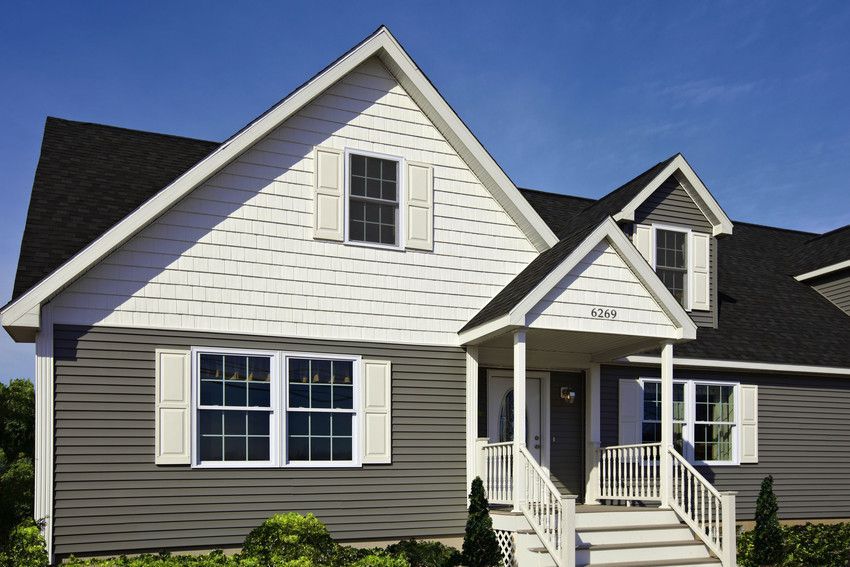
The best siding material depends on your home's architecture, climate, maintenance expectations, and budget. Vinyl siding remains popular because it comes in numerous colors and styles while requiring relatively little upkeep. It resists rot and generally does not require repainting, making it an economical option for homeowners seeking an exterior upgrade.
Fiber cement siding offers durability and versatility, often replicating the appearance of wood while resisting rot, insects, and fire. Wood siding provides natural character and warmth but typically requires more maintenance to prevent moisture damage and deterioration. Metal siding offers a modern appearance and dependable durability, while brick provides a classic exterior with relatively low maintenance requirements.
Experienced siding contractors can explain the advantages and limitations of each material based on your property's needs. They can also help compare warranties, maintenance requirements, installation costs, and design options. Evaluating these factors makes it easier to select siding that balances appearance,
performance, and affordability.
Recognizing When Replacement Is Necessary
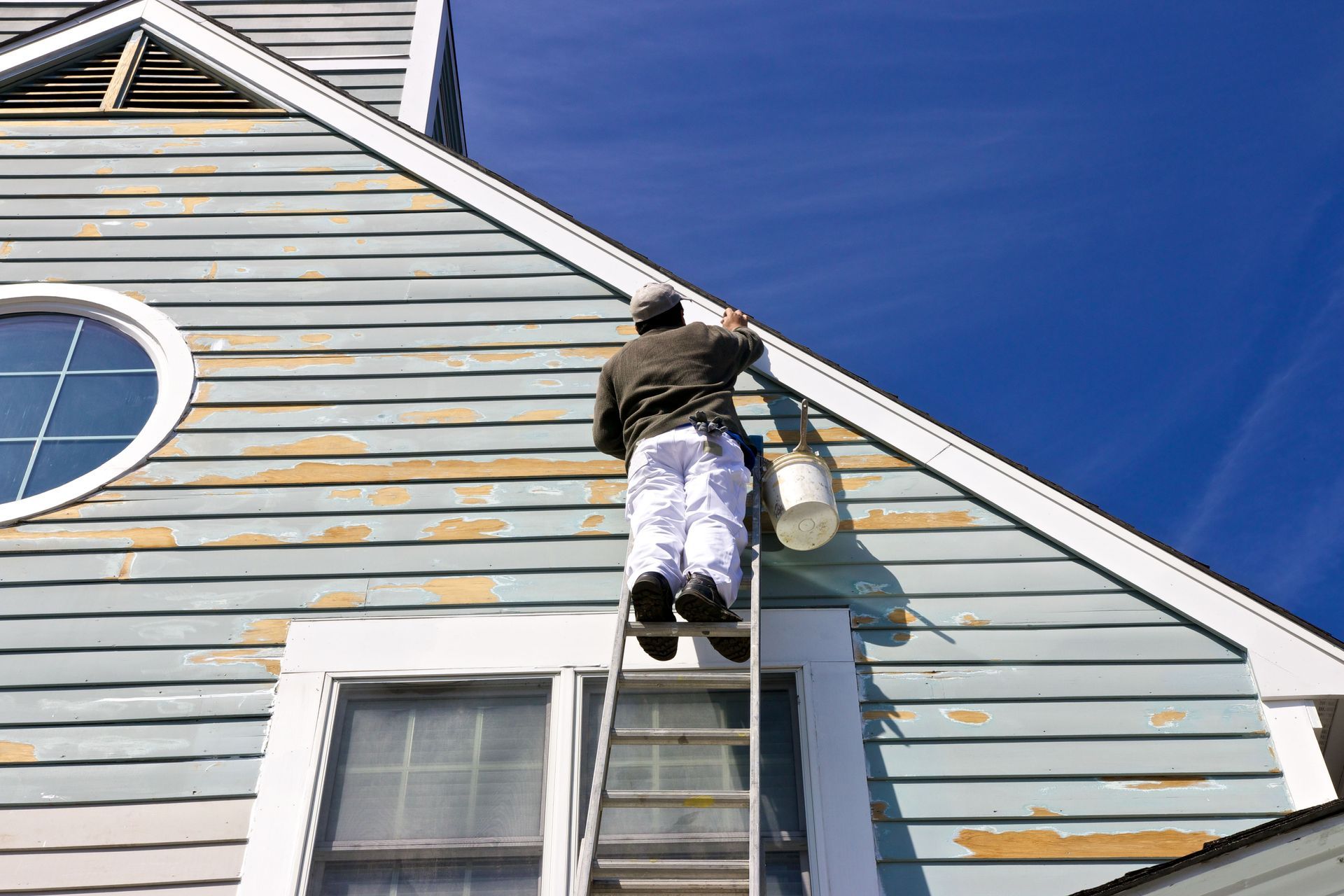
Visible damage is one of the clearest indicators that siding may need professional attention. Cracks, loose panels, warping, rot, and persistent discoloration can indicate that the exterior is no longer providing adequate protection. Homeowners should also watch for recurring moisture problems, deteriorating trim, and unexplained increases in heating or cooling costs.
According to Fixr.com, 39% of homeowners who replace their siding cite damage to existing materials as the reason. This highlights the importance of addressing deterioration before it affects other parts of the home. Siding contractors can inspect affected areas, determine the extent of the damage, and recommend whether repairs or complete replacement are more appropriate.
Age is another consideration when evaluating siding condition. Even durable materials can deteriorate because of prolonged sun exposure, severe weather, or improper installation. A professional inspection helps homeowners understand the condition of their exterior and plan improvements before minor problems become more extensive.
Energy efficiency may also influence replacement decisions. Older or damaged siding can contribute to drafts and reduced thermal performance, particularly when underlying insulation or moisture barriers are compromised. Selecting appropriate materials and ensuring proper installation can help improve indoor comfort.
Planning a Siding Project
A successful siding project begins with an assessment of the property's condition and the homeowner's priorities. Contractors evaluate the exterior, identify visible damage, and determine whether the underlying structure requires attention. This assessment establishes the project scope and reduces the likelihood of unexpected expenses.
Budget planning is equally important. Estimates should account for materials, labor, removal of existing siding, disposal fees, and necessary repairs. Comparing detailed proposals from multiple siding contractors allows homeowners to evaluate pricing, timelines, warranties, and included services.
Exterior design should also factor into the planning process. Siding colors, textures, trim, and architectural details influence the finished appearance. Coordinating these elements can enhance curb appeal while preserving the home's character.
Homeowners should discuss scheduling and project duration before work begins. Weather conditions, material availability, and hidden structural issues can affect installation timelines. Clear communication helps establish realistic expectations and makes the process easier to manage.
Finding a Qualified Contractor
Choosing the right professional involves more than comparing estimates. Homeowners should verify licensing, insurance coverage, relevant experience, and familiarity with their preferred siding material. These qualifications help establish whether a contractor can complete the work responsibly.
Reviews and references provide insight into communication, reliability, and workmanship. Reviewing previous projects can also help homeowners determine whether a contractor has experience with similar properties. Detailed written estimates make it easier to understand the proposed work and compare services.
When evaluating proposals, homeowners should ask about warranties, payment schedules, permits, and cleanup procedures. It is also important to understand how unexpected repairs will be handled if damage is discovered after the existing siding is removed. Discussing these details beforehand helps prevent misunderstandings. Reliable siding contractors should explain their recommendations, answer questions, and communicate changes promptly. Choosing a professional who prioritizes transparency and quality can make the project more predictable and rewarding.
Understanding the Installation Process
Siding replacement generally begins with an inspection and preparation of the exterior. Contractors remove existing materials as needed, examine underlying surfaces, and address problems that could compromise the new installation. Proper preparation is essential because damaged sheathing or moisture intrusion can undermine even high-quality siding.
Installers then position and secure the selected materials according to manufacturer specifications. Correct alignment, fastening, flashing, and moisture management help protect the home from rain and wind. Professional attention to these details also creates a consistent appearance around windows, doors, and corners.
Some projects reveal hidden damage that was not visible during the initial inspection. Contractors should explain these findings and discuss any effects on the budget or schedule before proceeding. After installation, they should inspect the finished work, remove construction debris, and provide information about warranties and recommended maintenance.
Maintaining Your Exterior
Regular maintenance helps preserve siding appearance and identify potential problems early. The appropriate care routine depends on the material, local weather conditions, and manufacturer recommendations. Periodic inspections can identify loose panels, damaged trim, deteriorating seals, or moisture-related concerns.
Vinyl and metal siding generally require occasional cleaning, while wood siding may need repainting or staining to maintain its protective finish. Fiber cement also requires attention to its coating and joints. Following the recommended maintenance routine helps preserve each material's appearance and performance.
Homeowners should pay attention to areas around windows, doors, and rooflines. Damaged caulking, deteriorating flashing, or persistent moisture can affect the siding system even when the panels appear intact. Addressing these concerns promptly helps protect the underlying structure.
Professional siding contractors can recommend maintenance schedules and assess damage after severe storms. Establishing a relationship with a qualified contractor provides a reliable resource for future inspections, repairs, and improvements. New siding can transform your home's appearance while strengthening its protection against weather, moisture, and everyday wear. Choosing suitable materials, planning carefully, and working with experienced professionals can help you achieve an exterior that meets your needs.
If your siding shows signs of deterioration or you are ready to update your property's appearance, contact Exceptional Exteriors & Renovations, Inc to discuss your project. Their team can help you explore siding options, evaluate your home's needs, and determine the next steps toward a durable, attractive exterior. Reach out to Exceptional Exteriors & Renovations, Inc to learn more about professional siding services.