November 24, 2026
Selecting new exterior colors for a residential property involves much more than simply picking a shade from a small paint swatch in a hardware store aisle. Natural sunlight, surrounding architectural elements, and material durability all dictate how a color actually looks once installed across an entire home. Consulting a siding expert before making a final commitment saves homeowners from costly aesthetic regrets and premature material fading. Professional guidance pairs visual harmony with long-term weather resistance so your property looks cohesive for decades.
Evaluating Natural Lighting and Architectural Features
Small color chips rarely capture how a shade behaves across hundreds of square feet of exterior wall space. Direct sunlight, heavy tree shade, and seasonal cloud cover shift the undertones of vinyl, engineered wood, and fiber cement panels throughout the day. A pale gray can appear crisp and bright under morning sun, yet look unexpectedly cool or blue on a north-facing wall during late afternoon shadows.
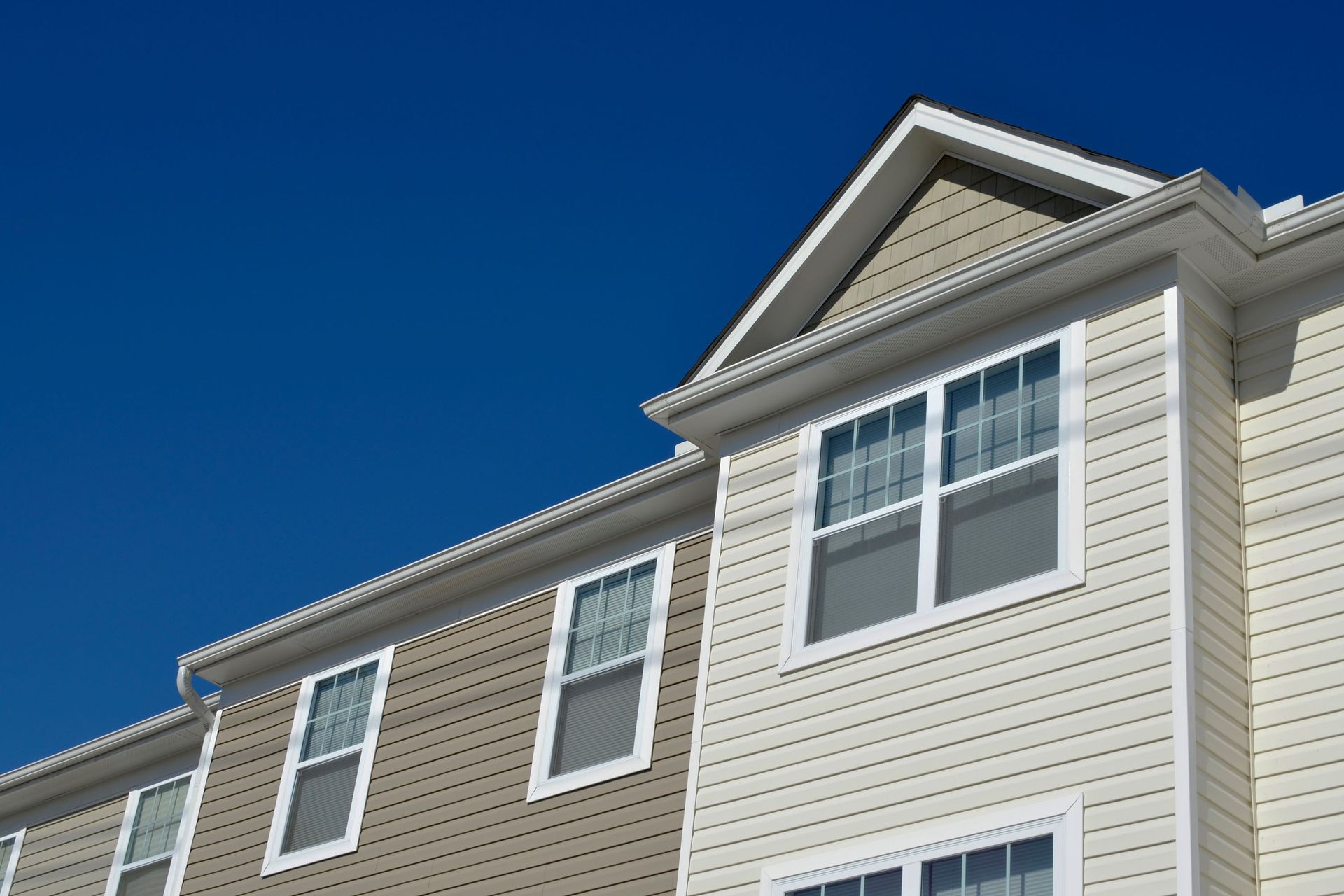
Beyond lighting conditions, your home already possesses fixed visual elements that do not change during a routine siding replacement. Roof shingles, brick foundations, stone accents, and window frames establish a permanent color baseline that new siding must complement rather than clash with. Working with a siding expert allows you to view large physical samples directly against your existing roof, gutters, and stonework under real outdoor lighting.
Consider how specific architectural details interact with different color intensities:
- Darker hues emphasize bold rooflines and modern silhouettes, though they absorb more solar heat during peak summer months.
- Lighter tones visually expand smaller home footprints and highlight intricate trim work, window casings, and porch railings.
- Warm earth tones pair naturally with red brick, tan stone, and traditional asphalt shingle roofs.
- Cool grays and slate blues coordinate well with dark charcoal roofs, black window frames, and crisp white trim.
Evaluating these relationships on site prevents jarring visual mismatches once installation begins. You gain clear visibility into how every exterior surface works together as a unified design.
Balancing Current Color Trends With Long-Term Curb Appeal
Homeowners frequently feel torn between embracing popular modern palettes and choosing timeless shades that protect future resale value. According to Fixr.com, approximately 65% of homeowners favor neutral exterior siding colors, including white, off-white, gray, and soft variations of blue and brown. Neutral palettes remain a dependable foundation because they appeal to a wide range of buyers and adapt easily to changing accent colors on shutters or front doors.
However, relying solely on broad national trends without considering your specific neighborhood can leave a house looking either out of place or overly repetitive. A seasoned siding expert evaluates surrounding properties, local homeowner association guidelines, and regional architectural styles before recommending a final palette. Rather than defaulting to a flat, single-tone exterior, professionals often suggest layering complementary neutrals across lap siding, board-and-batten gables, and architectural trim.
Strategic color placement adds depth and dimension without sacrificing broad market appeal:
- Select a primary neutral field color for the main horizontal lap siding to establish a clean, welcoming backdrop.
- Introduce a slightly deeper or lighter coordinating shade on vertical accent panels, dormers, or gable peaks to draw the eye upward.
- Apply a crisp, contrasting trim color around windows, corners, and rooflines to frame the structure cleanly.
- Reserve bold, saturated hues for small focal points like the front entry door, where future updates require minimal effort.
By grounding trendy accents in classic, durable base tones, your exterior stays fresh and attractive long after short-lived fads fade.
Matching Siding Materials With Fade-Resistant Pigments
Color performance depends heavily on the physical substrate holding the pigment. Vinyl siding, fiber cement boards, and engineered siding products each absorb, reflect, and retain color differently under ultraviolet exposure and severe weather shifts. Choosing a deep, dark shade in a lower-grade material can lead to noticeable chalking, uneven fading, or heat-induced warping over time.
When you consult a siding expert, you receive practical recommendations tailored to both material chemistry and local climate demands. For example, fiber cement siding—such as James Hardie products—accepts factory-baked finishes engineered to resist ultraviolet rays, moisture intrusion, and freeze-thaw cycles. Modern vinyl siding lines also feature advanced pigment technologies that reflect infrared heat, keeping darker panels cooler and structurally stable.
Reviewing material and color pairings with a professional helps you weigh key performance factors:
- Factory-applied finishes offer uniform curing and strong manufacturer warranties compared to field-applied exterior paints.
- Lighter pigments naturally reflect more solar radiation, resulting in less thermal expansion and slower color degradation over time.
- Textured wood-grain finishes diffuse sunlight differently than smooth profiles, softening the appearance of darker colors.
- High-humidity and freeze-thaw regions require moisture-resistant substrates that prevent peeling, blistering, and surface cracking.
Understanding how specific products hold their finish protects your investment from premature maintenance expenses and uneven weathering.
Coordinating Full Exterior Upgrades for Cohesive Results
Siding rarely functions in isolation on a residential structure. Replacing exterior cladding often overlaps with or affects neighboring components like roof installation, window replacement, gutter installation, and deck construction. Selecting siding colors without accounting for upcoming or adjacent exterior projects frequently creates mismatched tones that require expensive corrections later.
An experienced siding expert looks at the entire building envelope rather than treating wall panels as a standalone purchase. If your asphalt shingle roof or metal roof is nearing the end of its service life, coordinating shingle colors alongside your new siding creates a seamless top-to-bottom transition. Similarly, pairing new energy-efficient windows, skylights, and seamless gutters with your chosen siding palette upgrades both curb appeal and weather protection in one unified plan.
Integrating multiple exterior elements during the planning phase offers clear practical benefits:
- Matching gutter and downspout finishes to either your trim or siding color keeps drainage systems visually discreet.
- Coordinating composite or wood deck railings and trim with primary house colors extends your indoor-outdoor living aesthetic.
- Aligning window frame colors with siding trim eliminates awkward contrasts between old and new openings.
- Scheduling exterior upgrades together reduces redundant labor, minimizes property disruption, and streamlines installation timelines.
Taking a whole-home approach avoids piecemeal renovations and confirms that every visible detail supports a polished final appearance.
Avoiding Costly Color Mistakes Through Professional Consultations
Attempting to select, order, and install exterior cladding without qualified guidance leaves homeowners vulnerable to expensive missteps. Once custom-colored siding panels are manufactured and delivered to a job site, returning or exchanging materials due to an unexpected undertone is rarely possible. Furthermore, improper handling or uncoordinated installation can void manufacturer warranties and expose underlying sheathing to moisture damage.
Partnering with a trusted siding expert eliminates guesswork from initial sample selection through final installation. Professionals bring physical sample boards directly to your property, explain warranty coverage clearly, and provide transparent written estimates before any materials are ordered. Instead of relying on digital screen renderings that distort true color values, you see real textures and finishes in your own yard.
A structured professional consultation typically covers several essential steps:
- Inspecting existing siding, trim, flashing, and moisture barriers to identify any underlying structural repairs needed before installation.
- Reviewing physical color swatches and profile options—including lap siding, board-and-batten, and fiber cement panels—against your roof and masonry.
- Discussing energy efficiency, maintenance expectations, and long-term durability suited to local seasonal weather patterns.
- Outlining clear project timelines, financing options, and installation steps so there are no surprises during construction.
Relying on seasoned installers rather than guesswork protects both your budget and the structural integrity of your home.
Moving Toward a Confident Exterior Transformation
Choosing the right exterior color palette blends aesthetic vision with practical building science. From evaluating natural light and existing masonry to selecting fade-resistant materials and coordinating gutters, windows, and roofing, every detail contributes to lasting curb appeal. Consulting a siding expert gives you the technical insight and physical samples needed to commit to a color scheme with total confidence. Contact Exceptional Exteriors & Renovations, Inc today to schedule a professional siding consultation and request your free estimate.