November 23, 2026
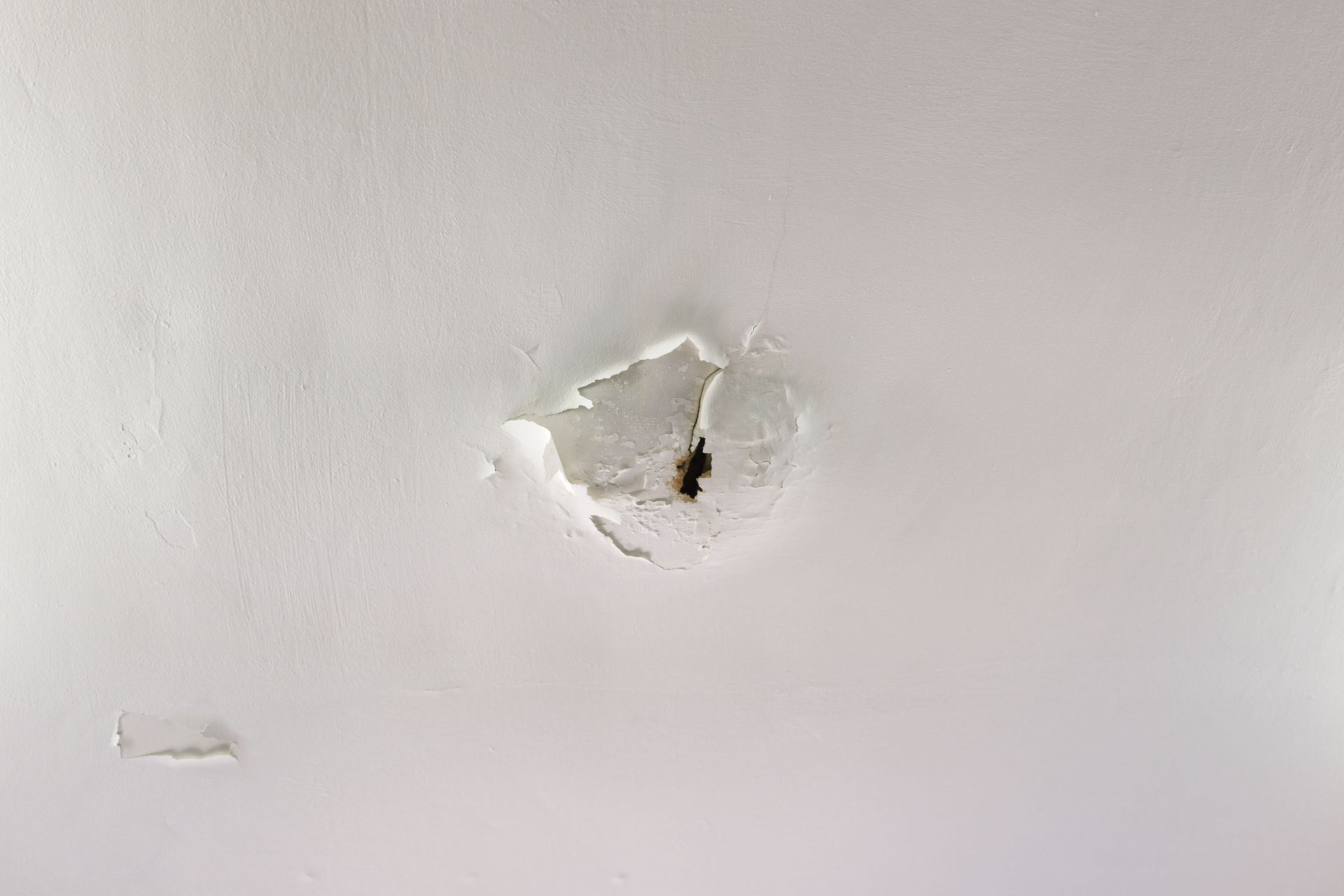
Water dripping into a living room or pooling in an attic is often the first visible symptom of a failing overhead defense. While patching a single penetration can occasionally buy time, persistent moisture usually signals widespread structural exhaustion. Professional roofers evaluate several underlying variables to determine whether a basic repair is viable or if an immediate complete tear-off is mandatory.
According to This Old House, 25% of homeowners replaced their roofs due to active leaks. When water breaches the primary barrier, water path discovery requires a structured inspection of materials, decking, and underlying framing. Professional roof installers conduct thorough physical assessments before recommending total replacement instead of superficial maintenance. Below are six primary signs that signal a building requires a complete roof replacement.
1. Checking the Age and Granule Loss of Shingles
One of the primary indicators evaluated during an assessment is the chronological age of the roofing material alongside physical wear. Standard three-tab asphalt shingles generally last twenty to twenty-five years, while architectural alternatives endure slightly longer under optimal weather conditions. When shingles approach two decades of active service, moisture intrusion often indicates that the entire material run has reached structural expiration.
Material deterioration manifests in visible wear patterns across the entire pitch:
- Significant granule loss exposing black asphalt substrate
- Sediment accumulation in gutters and downspouts
- Widespread brittleness causing shingles to crack under minor wind pressure
- Bald patches where surface friction no longer sheds heavy rain
When individual shingles dry out, their internal waterproofing oils have completely evaporated. Qualified roof installers look for this comprehensive drying because patching one brittle area will merely cause adjacent sections to break during installation. If the material no longer possesses flexibility, total replacement remains the only durable path forward. Installing fresh components over an exhausted surface creates weak boundary seams where wind-driven moisture easily penetrates beneath the shingles. Ultraviolet rays quickly bake bare, ungranulated asphalt surfaces, accelerating blistering, surface erosion, and chronic seam leakage during heavy seasonal storms.
2. Identifying Sagging Rooflines and Decking Rot
Physical sagging represents a critical structural alert that extends beyond a simple cosmetic blemish. When rainwater seeps past outer layers over multiple seasons, underlying plywood or oriented strand board sheathing absorbs moisture like a sponge. This continuous dampness softens wood fibers, compromises fastener retention, and eventually rots the structural trusses underneath.
A visual dip along the roofline or soft, spongy decking discovered during a walk-through reveals extensive water logging. In these scenarios, replacing localized shingles provides zero protection because the underlying platform cannot support new nails or snow loads. Contractors must strip away existing materials to expose, remove, and replace compromised plywood panels before installing a sound protective barrier. Leaving damp sheathing in place allows wood rot to spread into load-bearing rafters, creating severe structural safety hazards for the entire residence. Without solid foundation boards, high winds can lift large roof sections cleanly off the residential frame during severe weather.
3. Evaluating Damaged Flashings Around Penetrations
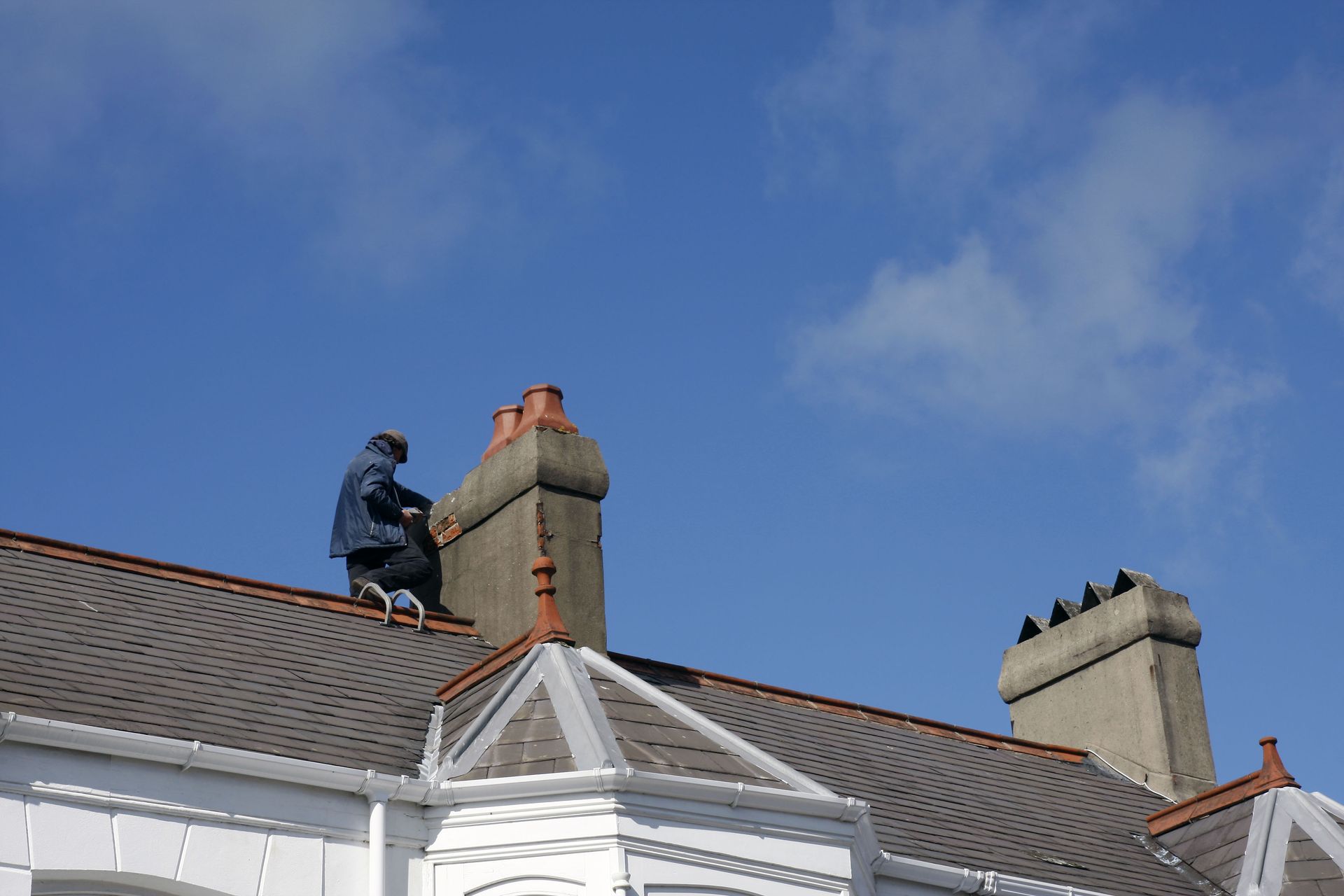
Flashings protect vulnerable intersections where vertical structures interrupt the plane of your roof. Chimneys, skylights, plumbing vent pipes, and dormers rely on sheet metal flashings to divert moisture away from seam junctions. When these thin metal barriers corrode, crack, or pull away, water directly penetrates interior living quarters.
Key warning signs observed at roof penetrations include:
- Severe rust, pinholes, or oxidation across metal step flashings
- Dried, missing, or compromised sealant caulking along vertical counter flashings
- Separated valley linings where runoff concentrates during heavy downpours
- Loose masonry anchors along chimney walls
Repeated temporary applications of roofing tar or mastic over damaged flashings only trap water against interior wooden supports. When multiple penetrations show simultaneous deterioration and moisture intrusion, experienced roof installers recognize that systematic replacement provides the only reliable defense against internal framing decay. Proper flashing integration requires stripping surrounding shingles back to clean wood so technicians can secure waterproof underlayment directly against vertical surfaces before securing fresh metal aprons.
4. Detecting Interior Attic Moisture and Mold
An attic inspection reveals structural conditions that remain invisible from ground level. Moisture traveling through roof underlayment often migrates along rafters before manifesting as stained drywall ceiling patches below. Inspecting this enclosed crawl space allows technicians to trace water trails directly back to their point of origin.
Active signs within the attic space include:
- Visible daylight shining through the decking boards in non-vented areas
- Dark water stains, damp insulation, or dripping fasteners along rafters
- White, green, or black mold blooms spreading across structural plywood
- Persistent musty odors indicating stagnant, high-humidity air circulation
Mold growth requires immediate intervention, as airborne spores can travel throughout home ductwork. When multiple rafters exhibit moisture rot or prolonged dampness, localized sealing fails to resolve the systemic mold hazard. Certified contractors address the entire ventilation and decking assembly during full replacement to establish long-term attic health. Balanced intake and exhaust vents help regulate interior humidity, preventing recurring condensation from rotting framing members during severe winter freezes.
5. Inspecting Curling, Cupping, and Missing Shingles
Wind and persistent thermal cycling gradually loosen shingles from their adhesive strips. When shingles begin curling upward at the edges or cupping inward toward the center, their wind-resistance rating drops dramatically. This mechanical failure allows blowing rains to drive water straight beneath the roofing field.
Large sections of missing shingles indicate failed thermal seal strips across large swaths of the structure. When severe weather tears away groups of shingles repeatedly, the surrounding field has likely lost its adhesive integrity. Attempting to spot-repair extensive shingle detachment leaves surrounding weathered shingles vulnerable to the next storm system. Once shingle tabs break free, nail heads remain exposed to direct sunlight and precipitation, expediting leaks down the fastener shanks straight into structural roof decking.
6. Assessing Previous Patching and Layer History
Previous maintenance attempts can accelerate structural decline if performed improperly over time. Building codes typically permit a maximum of two layers of asphalt shingles on an existing structure before complete removal becomes legally required. Adding layers increases dead weight on structural rafters and traps heat, accelerating the deterioration of new shingles placed on top.
Installers inspect for previous work to confirm:
- The total count of existing roofing layers installed on the home
- Mismatched shingle profiles from repeated emergency patches
- Deteriorated underlying layers hiding structural wood rot
- Incompatible underlayment materials creating condensation pockets
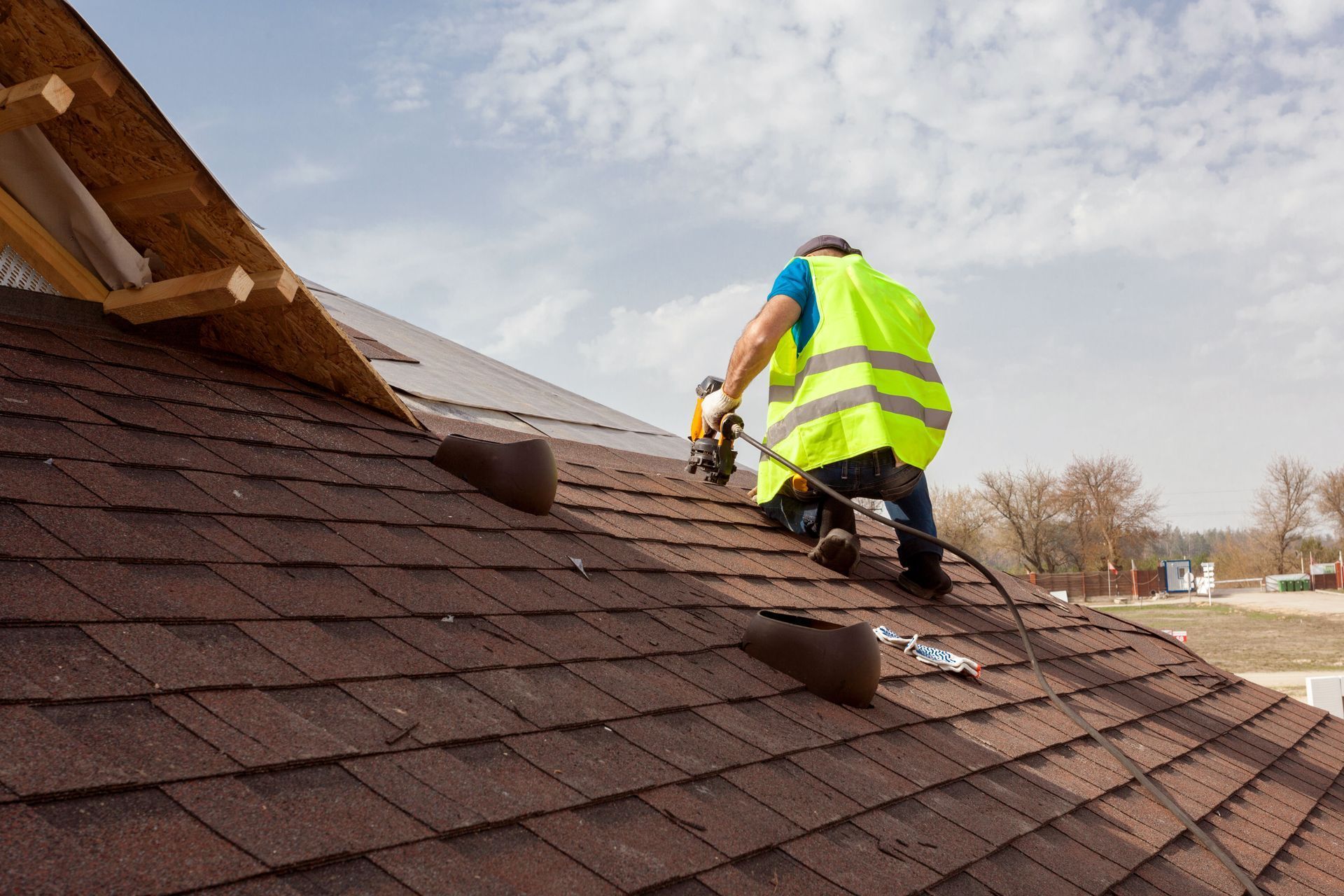
When a roof already carries two layers or resembles a patchwork of mismatched repairs, simple maintenance ceases to be a viable option. Experienced roof installers evaluate these cumulative alterations to determine when stripping the entire assembly down to bare wood is necessary to build a balanced, warranted system. Complete tear-offs allow contractors to inspect the full deck, install ice and water shields along eaves, and fasten modern synthetic underlayment across the entire expanse. Removing previous installations also eliminates uneven surface humps, ensuring smooth alignment for replacement materials.
Protecting Your Property With Professional Replacement
A leaking roof compromises living areas, insulation values, and basic structural framing. Identifying the difference between minor maintenance and systemic material expiration requires an objective, on-site assessment by licensed professionals. Addressing moisture problems before wood rot destroys ceiling trusses saves property owners thousands of dollars in secondary structural repairs.
When trusted roof installers evaluate your residential property, they analyze the total performance of shingles, decking, ventilation, and underlayment to build a secure shelter against storms. Investing in a complete replacement restores energy efficiency, secures building equity, and eliminates recurring leaks that damage interior finishes. Regular inspections catch subtle exterior decay before hidden rot spreads toward interior walls, ceilings, and foundational supports. When overhead water intrusion threatens your home, choose a reputable, experienced company to verify your property's safety. For a reliable assessment and comprehensive exterior solutions, contact Exceptional Exteriors & Renovations, Inc.