November 6, 2026
Replacing your exterior cladding is one of the most impactful investments you can make, shaping structural durability and visual appeal. Knowing what to expect before you hire a siding company ensures a seamless renovation and a dependable outcome. New siding acts as your home's primary shield against harsh weather, moisture intrusion, and temperature swings, while redefining its character. Whether replacing weathered boards for aesthetics or upgrading your building envelope for energy savings, preparing protects your investment. Understanding materials, contractor credentials, site readiness, and maintenance allows you to make informed decisions that benefit your home.
Choosing the Right Siding Materials
Every siding material offers a balance of upfront cost, appearance, durability, and maintenance. Vinyl remains a popular choice due to its affordability, lightweight design, and simple upkeep, requiring little more than an occasional rinse. For homeowners seeking authentic character, natural wood provides timeless warmth, though it demands periodic painting or staining to prevent moisture damage. Fiber cement provides a durable alternative, blending sand, cement, and cellulose fibers for fire resistance and stability. Architectural metal delivers a sleek finish characterized by longevity and recyclability. Matching the material to your climate is essential.
Evaluating Prospective Exterior Contractors
Selecting a trustworthy siding company is just as vital to your project's longevity as the materials you purchase. Even premium fiber cement or composite boards fail prematurely if fastened incorrectly or flashed poorly. When evaluating prospective exterior specialists, examine their industry track record and history of completed local installations. Ask for recent references and speak with past clients to gauge how well the work withstands the elements. A reputable contractor will provide a portfolio, professional affiliations, and manufacturer certifications that authorize them to install specific product lines.
Verifying Contractor Credentials and Insurance
Verifying trade licenses, general liability coverage, and workers' compensation policies safeguards against financial and legal liability. A valid trade license confirms that your installation crew understands local building codes, wind-load requirements, and moisture-barrier regulations. Furthermore, general liability insurance covers unintentional damage caused to your home or neighboring properties during construction. Workers' compensation coverage is equally vital, protecting you from liability if an installer is injured on site. Always request active insurance certificates directly from the provider to confirm policies remain current.
Interviewing Candidates and Reviewing Past Work
Conducting detailed interviews gives insight into a contractor's work ethic, transparency, and communication standards. When speaking with a prospective siding company, ask pointed questions regarding daily jobsite supervision, crew structure, and landscaping protection. Inquire about manufacturer material warranties versus workmanship guarantees, ensuring you know who handles repairs if an issue emerges post-installation. Pay close attention to how promptly and thoroughly they address your questions. Contractors who explain installation steps clearly and provide transparent timelines deliver an organized, stress-free construction experience.
Comparing Estimates and Detailed Project Contracts
Securing written bids from at least three licensed contractors allows you to evaluate regional pricing and assess project scope accurately. A professional proposal provides itemized breakdowns of material grades, underlayment, flashing details, trim packages, disposal fees, and labor costs. Be cautious of estimates that come in substantially lower than the market average, as low bids often conceal substandard materials or inexperienced labor. Ensure every proposal accounts for identical scopes of work. A dependable siding company will present a comprehensive contract outlining payment schedules, milestone dates, and cleanup obligations before requesting a deposit.
Preparing Your Exterior for Siding Work
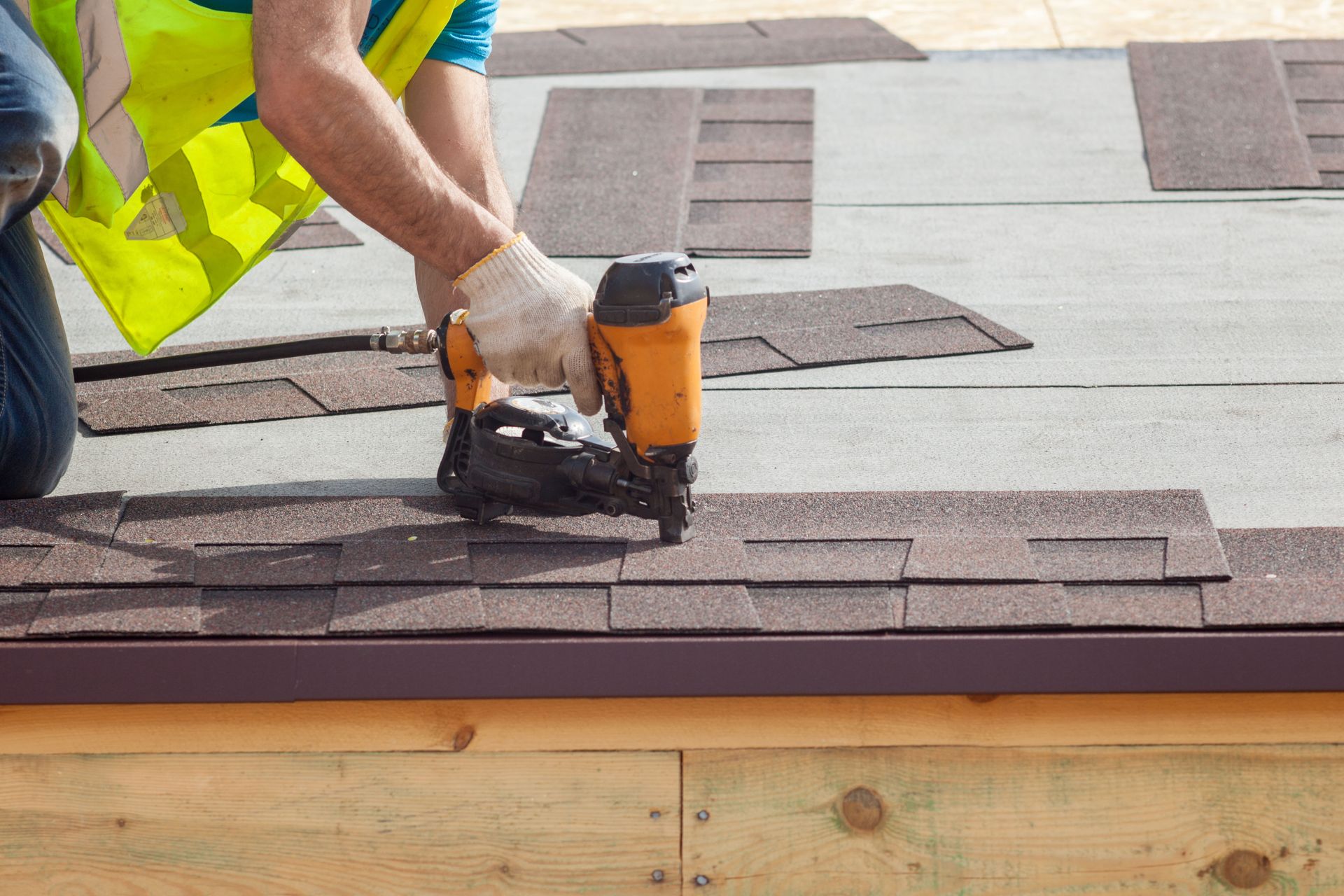
Thorough jobsite preparation ensures that installation proceeds without unnecessary interruptions or accidental property damage. Before the siding company arrives on site, clear outdoor furniture, grills, planters, and decorative lawn fixtures at least ten feet away from your foundation. Trim back branches and overgrown shrubbery brushing against exterior walls to give workers unrestricted access. Vibrations from pneumatic nailers travel through wall studs, so remove hanging artwork and mirrors from interior walls. Ensuring convenient driveway access for material deliveries and dumpsters helps the crew maintain steady progress.
Navigating the Complete Installation Sequence
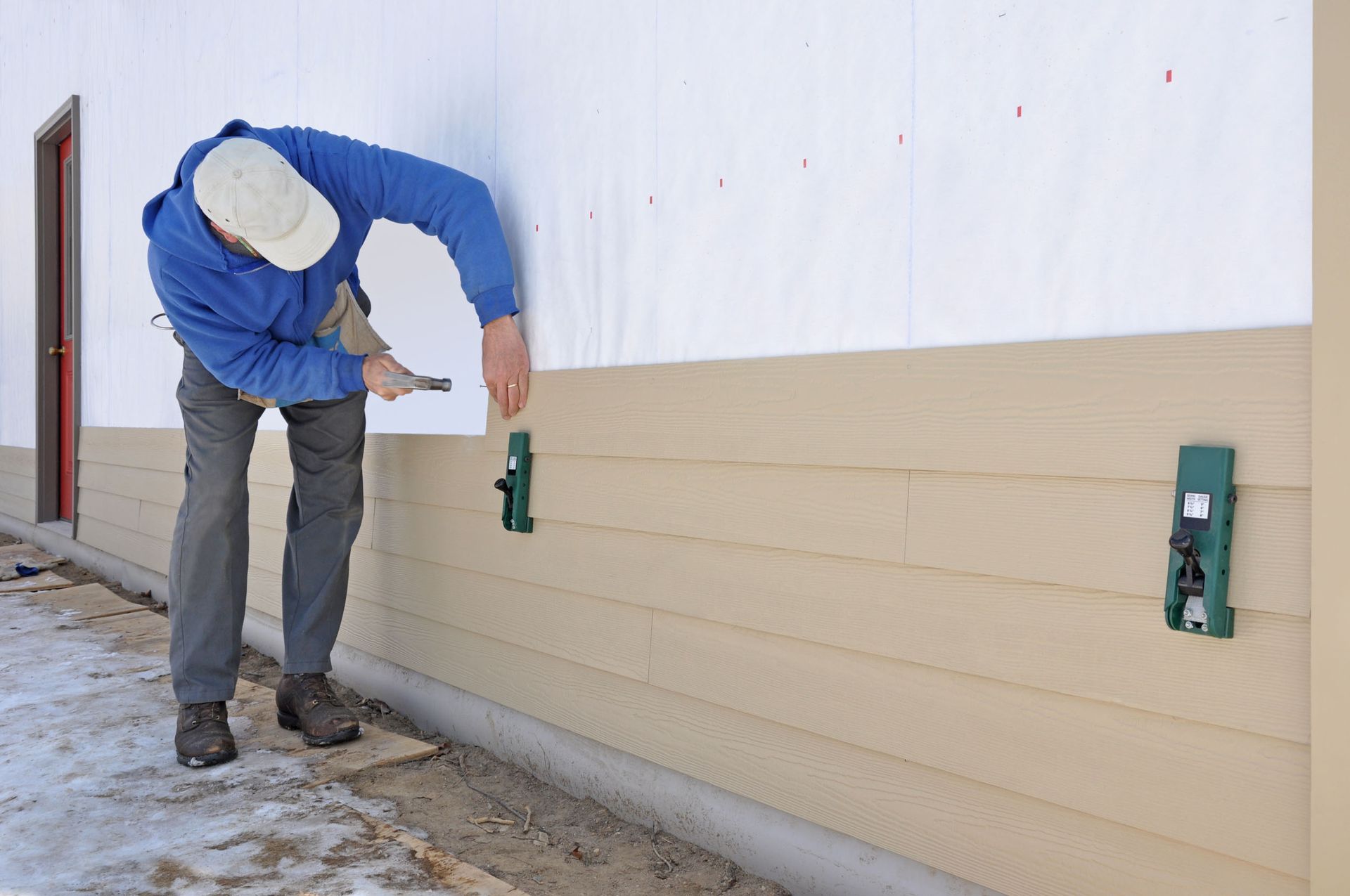
Proper installation requires methodical staging, structural assessment, and systematic craftsmanship from start to finish. An experienced siding company begins the job by stripping away old siding, inspecting the exposed sheathing for rot or insect damage, and replacing damaged boards before proceeding. Next, crews apply a weather-resistant house wrap, taping all seams to create a weather-tight barrier against wind-driven rain while allowing moisture vapor to escape. Corner posts, window flashing, and starter strips provide the foundation for the main panels. Crew members then secure each siding course according to manufacturer expansion tolerances.
Conducting Quality Inspections and Final Walkthroughs
Conducting a structured quality assurance inspection ensures all work adheres to manufacturer standards and local codes. Walk the exterior perimeter with the project manager to examine corner alignments, caulking beads, window cap flashing, and soffit venting. Confirm that all trim pieces fit tightly against masonry and eaves without gaps that could invite nesting pests or water intrusion. Ensure the crew thoroughly sweeps the lawn and driveway using magnetic rollers to retrieve stray nails. Address any minor touch-ups immediately before signing off on project completion.
Maintaining Your New Exterior Year-Round
Establishing a proactive maintenance schedule preserves exterior beauty and safeguards manufacturer warranty coverage. Vinyl and metal cladding benefit from annual washing with mild detergent to remove atmospheric grime, pollen, and surface mildew. Natural wood siding requires inspections every few seasons to identify flaking paint or failing stain, followed by prompt resealing. Fiber cement surfaces should be inspected periodically for cracked caulking joints around windows and trim, which should be resealed with high-grade elastomeric sealant. Clearing organic debris away from your foundation prevents moisture from wicking upward.
Maximizing Energy Efficiency and Home Value
Upgrading your exterior cladding delivers substantial financial benefits through enhanced thermal regulation and elevated market value. Beyond upgrading curb appeal, modern claddings offer substantial thermal advantages. According to Today’s Homeowner, installing new siding can improve a home’s airtightness by nearly 10% and lower heating costs by about 8%. Pairing rigid foam insulation backing with your new panels creates a continuous thermal break that minimizes thermal bridging across wall framing studs. In addition to steady utility savings, updated siding consistently ranks among the top residential investments for return on investment. Consulting with an established siding company can help you determine which insulated systems qualify for energy rebates or tax credits.
Budgeting Realistically for Replacement Costs
Developing a practical budget involves anticipating predictable expenses and potential structural surprises discovered during construction. Material costs vary, with standard vinyl representing a budget-friendly option, while fiber cement and insulated metal sit at the higher end of the pricing spectrum. Homeowners should always establish a dedicated contingency reserve of ten to fifteen percent to cover hidden sheathing repairs uncovered after tear-off. Exploring home equity lines of credit or financing programs makes financing substantial exterior overhauls manageable. Strategic financial planning ensures you achieve lasting architectural beauty without compromising your peace of mind.
Selecting the right materials, verifying credentials, and maintaining clear communication ensures your exterior renovation proceeds smoothly. A well-planned remodeling project shields your property from harsh weather, elevates everyday indoor comfort, and boosts long-term resale appeal. Partnering with a reputable siding company guarantees that every detail—from moisture management to precise trim work—is executed to the highest industry standards. When you are ready to enhance your home's protection, efficiency, and curb appeal, reach out to the dedicated professionals at Exceptional Exteriors & Renovations, Inc to schedule your initial consultation and bring your exterior vision to life.